
+86-574 86567814


 中文简体
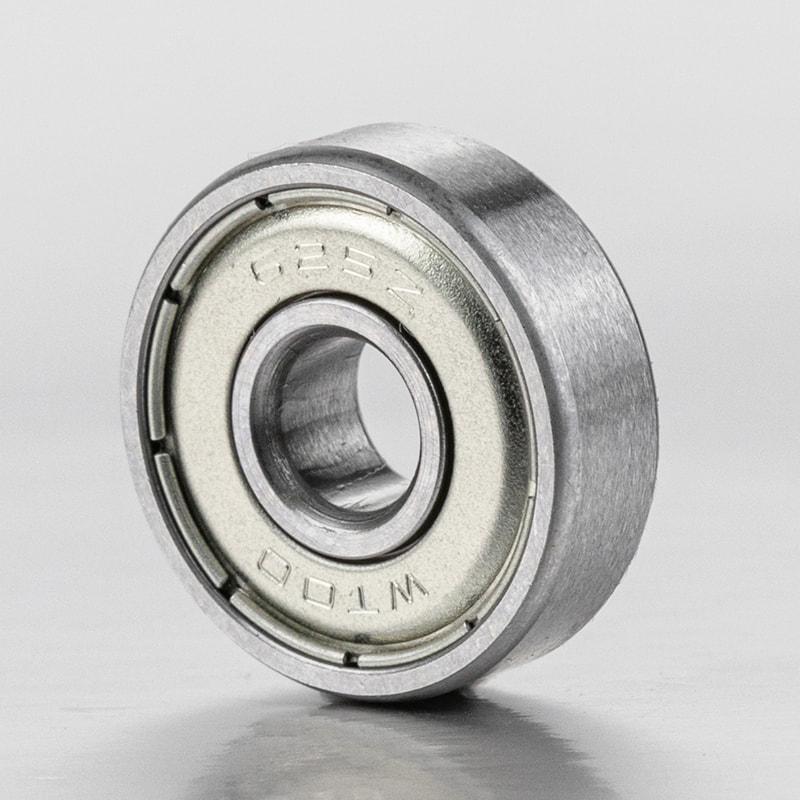
625-Super quiet, high precision, long life deep groove ball bearings
Deep groove ball bearings Deep groove ball bearing...
View more
Deep groove ball bearings Deep groove ball bearing...
View more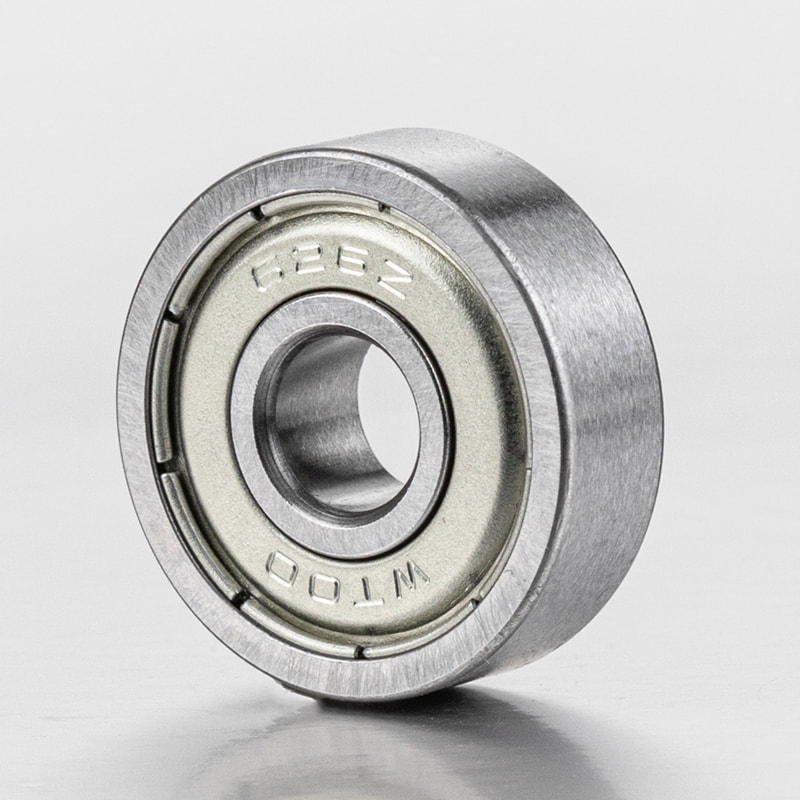
Deep groove ball bearings Deep groove ball bearing...
View more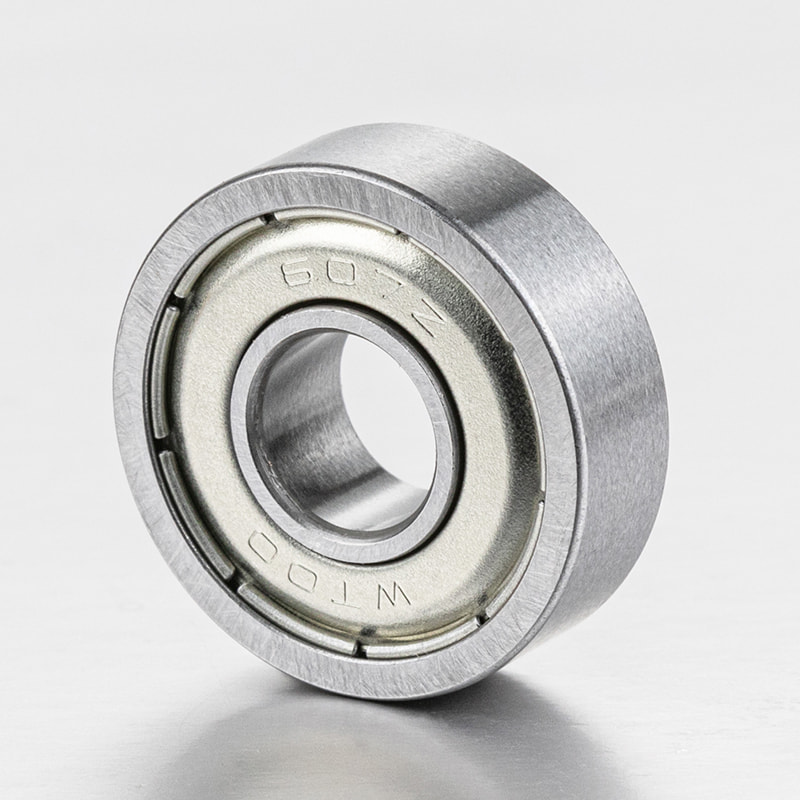
Deep groove ball bearings Deep groove ball bearing...
View moreIn the fields of precision mechanical design and industrial maintenance, the choice of bearing often determines the service life and operational accuracy of the entire system. When consulting a catalog for Angular Contact Ball Bearings, the most fundamental decision typically lies between “Single Row” and “Double Row” configurations. While both are designed to handle combined radial and axial loads, they differ significantly in structural logic, spatial footprint, and their ability to cope with complex operating conditions. For procurement managers and system engineers, understanding these technical nuances not only optimizes equipment performance but also significantly improves the Return on Investment (ROI).
To determine which bearing is most suitable for your application, you must first understand how Angular Contact Ball Bearings manage forces. The core of these bearings is the “Contact Angle”—the angle between the line joining the points of contact of the ball and the raceways in the radial plane, along which the combined load is transmitted from one raceway to another.
A single row angular contact ball bearing features one row of rolling elements and is primarily designed to support axial loads acting in only one direction.
A double row angular contact ball bearing essentially integrates two single row bearings into a single inner and outer ring, typically in a back-to-back arrangement.
When selecting Angular Contact Ball Bearings, engineers typically weigh three key metrics: load capacity, speed limits, and physical footprint.
From a pure rated load perspective, double row bearings usually possess a higher radial load capacity due to the doubled number of rolling elements. However, the situation differs when handling extreme axial thrust.
The speed limit is a critical parameter for high-speed rotating equipment such as centrifuges and motors.
To assist procurement departments in quick comparisons, the following table summarizes the performance indicators of Angular Contact Ball Bearings across different dimensions.
| Feature | Single Row (Paired) | Double Row (Integrated) |
|---|---|---|
| Axial Load Direction | Unidirectional (per unit) | Native Bidirectional |
| Tilting Moment Resistance | Extremely High (DB Arrangement) | High (Compact Rigidity) |
| Limiting Speed | Highest (Spindle Standard) | Moderate to High |
| Axial Space Requirement | High (Requires two units) | Low (Saves installation space) |
| Installation Complexity | High (Manual shim/preload adjustment) | Low (Factory pre-set clearance) |
| Overall ROI | Higher cost (2 units + complex labor) | Lower cost (Single component) |
In SEMrush keyword analysis, “Bearing Selection Guide” and “Bearing Load Calculation” are high-traffic search terms. To enhance professional depth, we analyze the specific application logic below.
If your operating conditions fall into the following categories, paired single row bearings are the only correct choice:
Double row bearings are better suited for the following industrial scenarios:
Q1: Can a single row angular contact ball bearing support purely radial loads?
No. When a radial force acts on a single row bearing, an internal axial component is generated due to the contact angle. Without being paired with another bearing, the inner and outer rings would be pushed apart, leading to failure.
Q2: What is the impact of different contact angles (15°, 25°, 40°)?
A larger contact angle allows the bearing to support higher axial loads but reduces the limiting speed. 40° (Suffix B) is suitable for heavy thrust, while 15° (Suffix C) is designed for high-speed applications.
Q3: What are the advantages of Hybrid (Ceramic Ball) versions?
Ceramic balls are lighter and harder than steel balls. Using ceramic balls in single row angular contact bearings can further reduce centrifugal force and frictional heat, increasing the speed limit by over 30% and extending grease life.
Deep groove ball bearings Deep groove ball bearings are widely used bearing type and are particularly versatile. They have low friction and are optimized for low noise and low vibration which enables ...
See Detail
Deep groove ball bearings Deep groove ball bearings are widely used bearing type and are particularly versatile. They have low friction and are optimized for low noise and low vibration which enables ...
See Detail
Deep groove ball bearings Deep groove ball bearings are widely used bearing type and are particularly versatile. They have low friction and are optimized for low noise and low vibration which enables ...
See Detail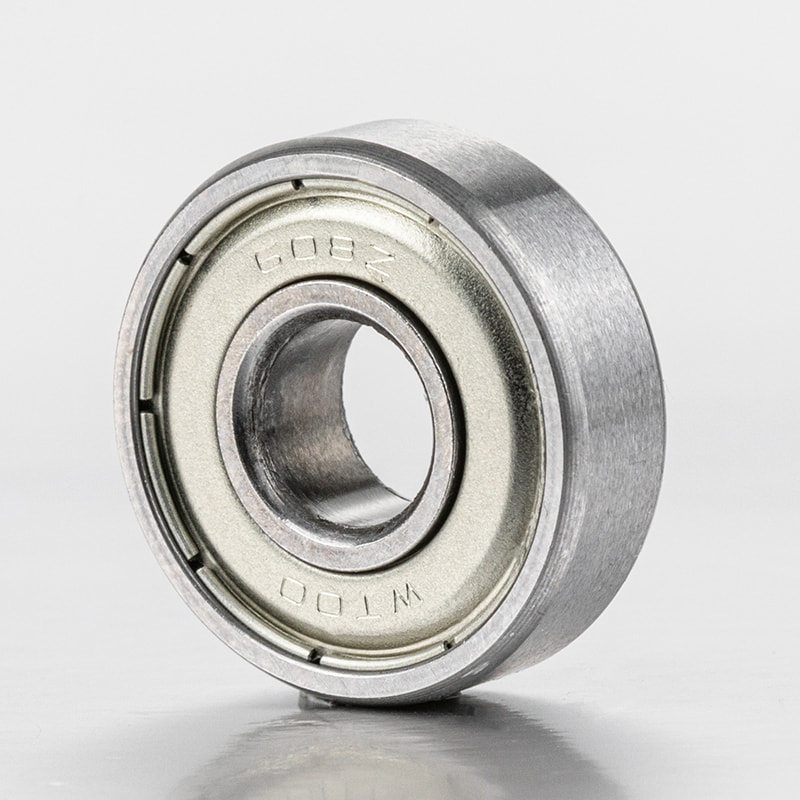
Deep groove ball bearings Deep groove ball bearings are widely used bearing type and are particularly versatile. They have low friction and are optimized for low noise and low vibration which enables ...
See Detail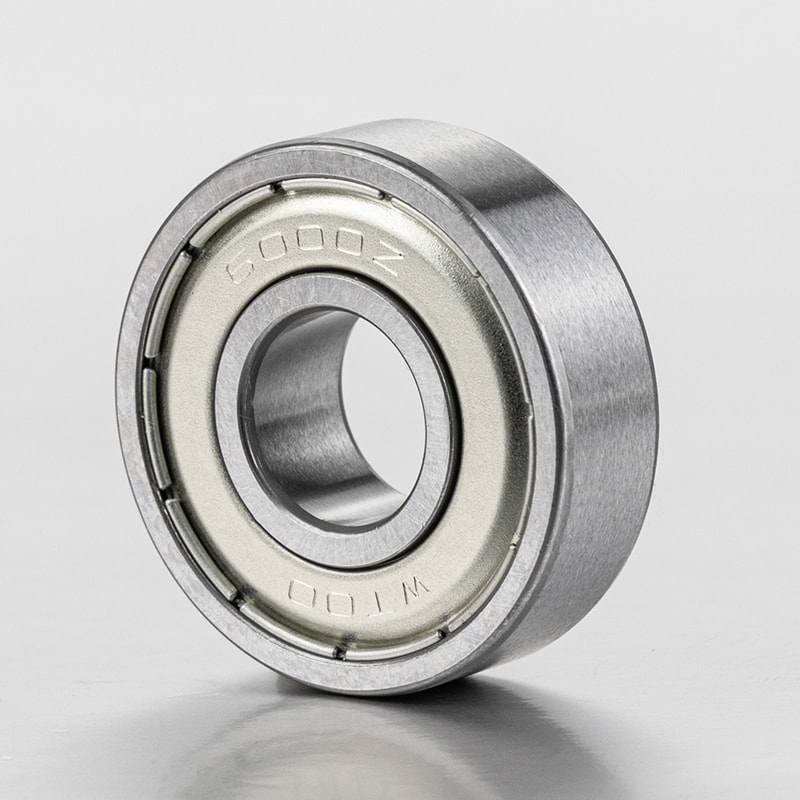
Deep groove ball bearings Deep groove ball bearings are widely used bearing type and are particularly versatile. They have low friction and are optimized for low noise and low vibration which enables ...
See Detail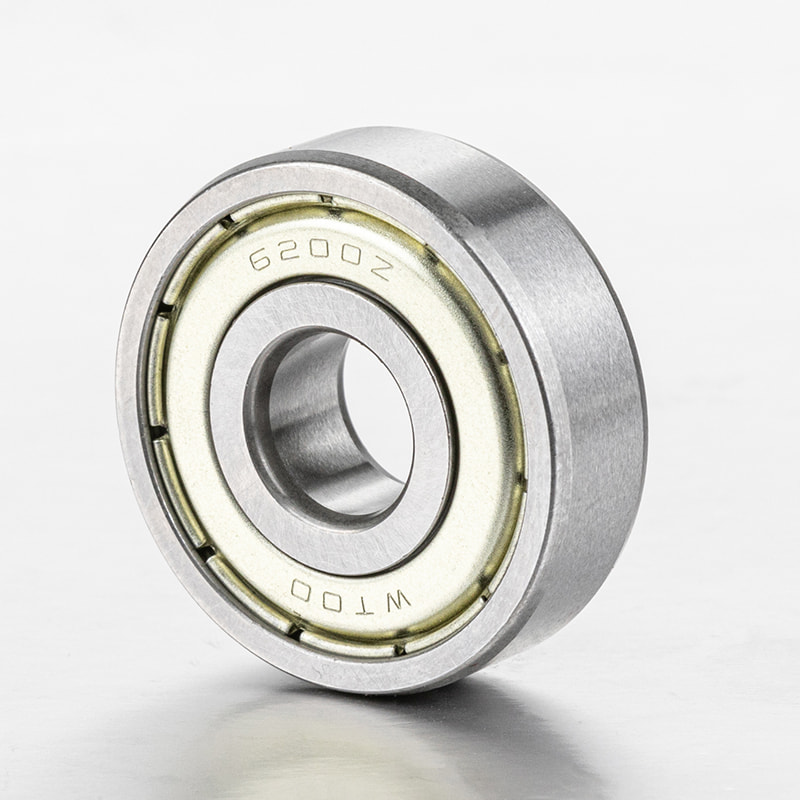
Deep groove ball bearings Deep groove ball bearings are widely used bearing type and are particularly versatile. They have low friction and are optimized for low noise and low vibration which enables ...
See Detail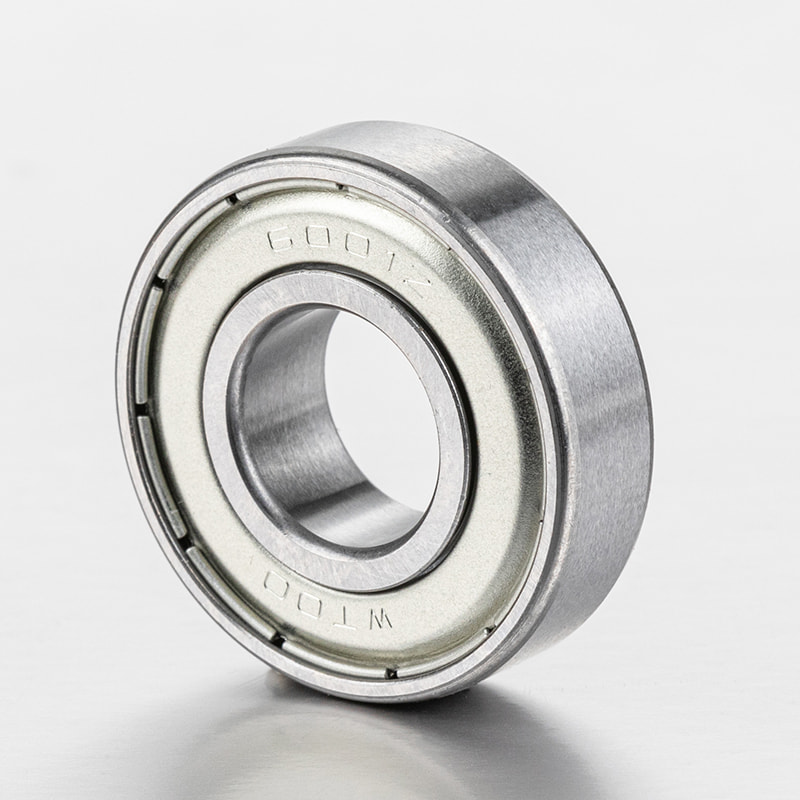
Deep groove ball bearings Deep groove ball bearings are widely used bearing type and are particularly versatile. They have low friction and are optimized for low noise and low vibration which enables ...
See Detail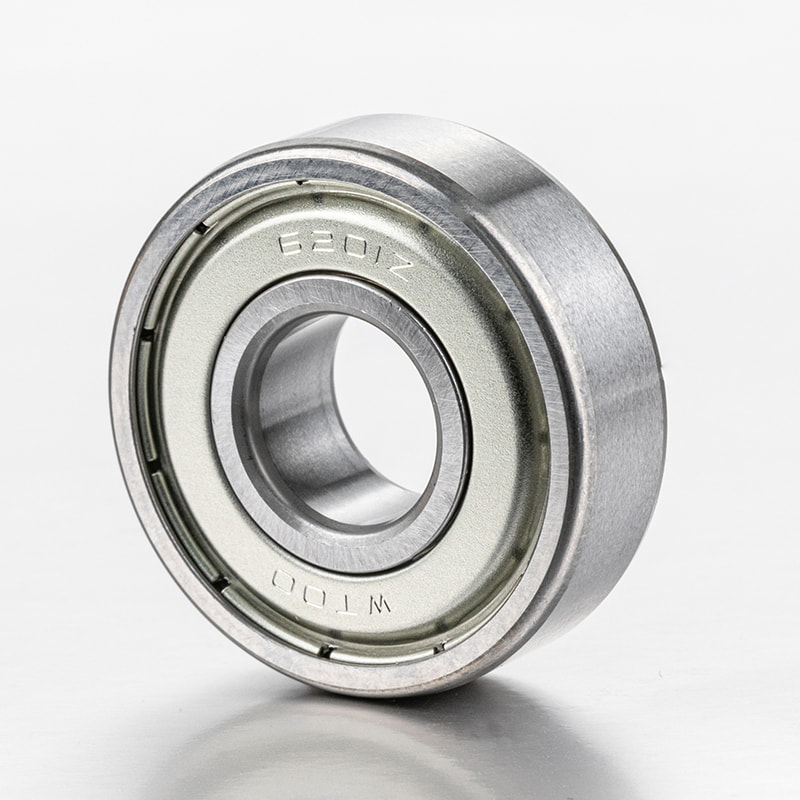
Deep groove ball bearings Deep groove ball bearings are widely used bearing type and are particularly versatile. They have low friction and are optimized for low noise and low vibration which enables ...
See Detail
Copyright © 宁波达尔机械科技有限公司Ningbo WTOO Machinery Technology Co., Ltd. Rights Reserved.
 Custom Miniature Deep Groove Ball Bearings Suppliers浙ICP备19027530号-1

浙江省宁波市镇海区骆驼街道盛兴路999号

+86-0574-86578848
+86-0574-86567806
+86-0574-86553993
sales01@wtoo.com.cn
